
Mexico’s Cartel Crisis Tests North American Security Architecture
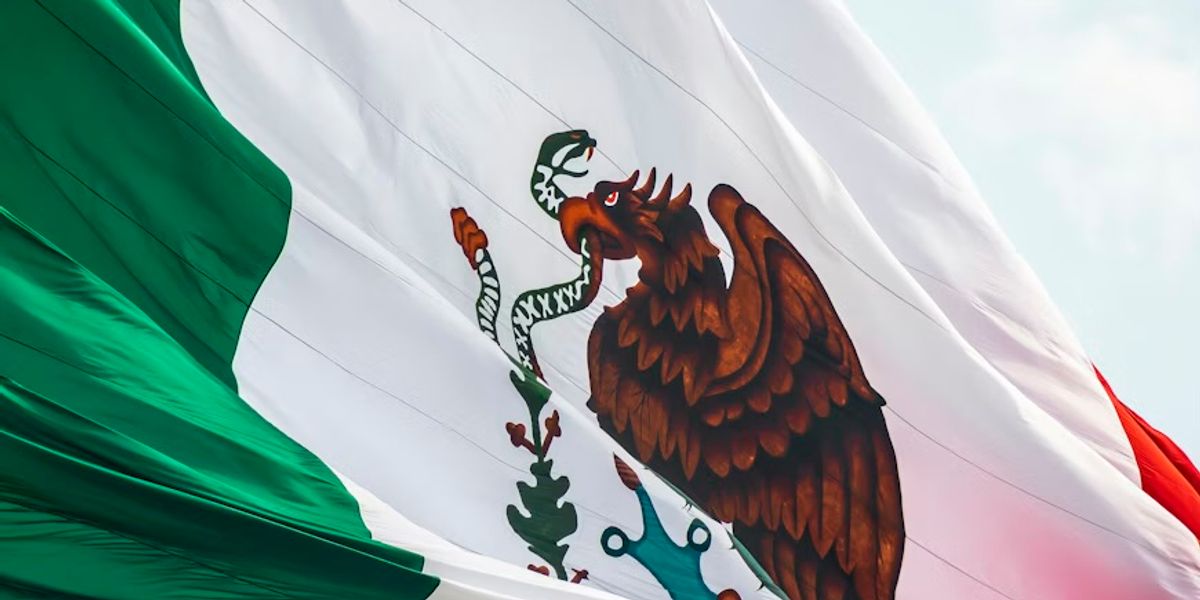
The Mexican military’s killing of Jalisco New Generation Cartel leader Nemesio “El Mencho” Oseguera on Sunday represents a significant victory in the fight against transnational organized crime, and a reminder of the fragility threatening North America’s democratic partners.
Within hours of the Tapalpa operation, CJNG unleashed coordinated retaliation across twelve Mexican states. Burning vehicles blocked highways from Guadalajara to Michoacán. Armed cartel members threatened to storm hotels and homes in tourist zones. Air Canada and Alaska Airlines suspended flights to Puerto Vallarta. The U.S. State Department issued emergency shelter-in-place warnings for American citizens across six states. Guadalajara’s international airport descended into panic as workers and passengers fled reports of gunmen.
This isn’t just Mexico’s problem, it’s a North American security crisis. The CJNG traffics fentanyl, cocaine, and methamphetamine into all 50 U.S. states. The cartel pioneered drone-dropped explosives and has attacked military helicopters with RPGs. In 2020, they carried out an assassination attempt in Mexico City using grenades and high-powered rifles. The Trump administration designated them a Foreign Terrorist Organization in February 2026, recognizing what was already obvious: these are paramilitary forces challenging state
authority.
President Claudia Sheinbaum faces the classic dilemma that has plagued Mexican governance for decades. She has criticized the “kingpin strategy” of previous administrations, noting that decapitating cartels often triggers worse violence as organizations fracture. Yet under pressure from Trump to show results, she applauded Sunday’s operation while calling for calm, even as her government deployed troops to protect airports and canceled schools statewide.
Unfortunately this pattern is familiar: Temporary victory followed by violent chaos, followed by a new cartel leader emerging from the power vacuum. What’s different now is the geopolitical context. China provides precursor chemicals that Mexican cartels process into fentanyl killing 100,000+ Americans annually. Russia cultivates relationships with authoritarian-leaning elements in Latin America. Meanwhile, the United States debates whether to treat Mexico as a security partner or an invasion target (recall Trump’s threats to bomb cartels and his demands for territorial concessions).
From an Atlanticist perspective, the strategic imperative is clear: North American democracies must cooperate to defeat transnational threats, not fragment under populist pressure. The USMCA created economic integration; now we need security integration to match. That means:
Intelligence sharing and joint operations like the one that located El Mencho, but sustained. The U.S. Joint Interagency Task Force-Counter Cartel worked with Mexican forces on Sunday’s raid. This should be the norm, not the exception.
Addressing demand, not just supply. American fentanyl addiction funds these cartels. Chinese chemical exports enable them. Without tackling both, killing kingpins is whack-a-mole.
Institutional support for Mexican governance. Sheinbaum’s government needs capacity to fill the vacuum when cartels are disrupted. That requires security assistance, judicial reform support, and anti-corruption programs. Not threats and tariffs.
El Mencho is dead, but the question is whether North American democracies have the strategic coherence to outlast the cartels, or whether we’ll keep cycling through tactical victories and strategic drift while China and Russia exploit our dysfunction. The Mexican government delivered what Washington demanded: a dead cartel kingpin. Now comes the hard part—building the institutions and partnerships that prevent the next El Mencho from rising.